
There is a bench in a public park that was never designed for someone to sit comfortably on for very long. There is an overpass with concrete spikes placed beneath it so no one can sleep there. There are bus stops with leaning rails instead of seats, divided benches with metal bars through the center, and public spaces intentionally designed to make people uncomfortable. These choices often blend into the landscape, but they are not random. The practice is known as hostile architecture, sometimes called defensive architecture, and the more I learn about it, the more I find myself asking, “What kind of society spends so much time designing ways to keep people away instead of helping them get back on their feet?”

Hostile architecture is often defended as a matter of safety, maintenance, or crime prevention. Cities argue that these features discourage loitering, vandalism, and sleeping in public spaces. The problem is that they do not solve homelessness. They only move it somewhere else. A divided bench does not create affordable housing. Concrete spikes do not provide mental health treatment. An uncomfortable bus stop does not help someone find work. These designs simply make poverty less visible to the people who would rather not look at it.
What bothers me most is knowing that these decisions are intentional. Somebody sat in a meeting, looked at a public space, and decided that preventing a person from sleeping there was a better use of resources than asking why that person had nowhere else to go. Somewhere along the way, we became more interested in hiding homelessness than understanding it. We reduced people to stereotypes involving drugs, laziness, or poor choices, even though homelessness can result from domestic violence, job loss, disability, medical debt, mental illness, rising housing costs, or one devastating situation after another.
I have overcome homelessness twice. The first time was during my young adult life. The second time happened for a short period after I became a mother. Because I have lived through it, I can honestly say that homelessness is one of the most devastating things a person can experience. It is especially difficult when you have always worked, paid your own way, and taken pride in providing for yourself and your family.
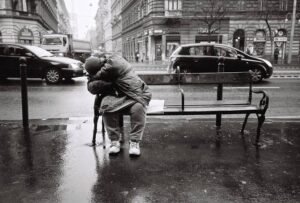 The loss of housing is painful enough, but the stigma creates another layer of suffering. People begin making assumptions about your character, intelligence, work ethic, and the choices that brought you there. Hostile architecture reinforces that stigma. It sends the message that homeless people deserve their circumstances and should be treated like problems that need to be removed from public view. That message is dangerous because homelessness can happen to almost anyone. A financial crisis, domestic violence, a medical emergency, job loss, or a natural disaster can leave someone without a home much faster than most people realize.
Thankfully, I did not remain homeless for long, but I did not get out of that situation alone. I needed help, and I received it. I had to put my pride aside and admit that I could not fix everything by myself. I was not homeless because I was strung out on drugs or unwilling to work. I had left an abusive relationship and was trying to rebuild my life while protecting my children. That experience permanently changed how I see people who are struggling.
When someone becomes homeless, they need resources, opportunity, compassion, and community. They do not need additional obstacles. Concrete spikes, divided benches, and hostile public spaces do not create housing, employment, treatment, or stability. They simply advertise our discomfort with seeing poverty up close.
The more I think about hostile architecture, the less I believe this is really a conversation about architecture. It is a community conversation. We have become skilled at creating distance between ourselves and the suffering of other people. We build fences, install spikes, redesign benches, and move people from one block to another, but we rarely stop to ask what happened before they ended up there.
There was a time when neighbors knew one another. People checked on the elderly woman down the street. Somebody knew whose child belonged to whom. If a family fell on hard times, someone usually knew about it before it became a crisis. Community wasn’t perfect, but it existed. Today, many of us know more about strangers on social media than we know about the people living next door.
Maybe that is why hostile architecture feels so cruel to me. It is not just concrete and steel. It is a physical reminder of what happens when convenience becomes more important than compassion. We have become better at moving people than meeting them.
If we truly want fewer people sleeping on park benches, the answer is not redesigning the benches. The answer is rebuilding the systems and communities that keep people from falling through the cracks in the first place. A divided bench cannot restore dignity. Concrete spikes cannot replace compassion. A city can discourage people from sleeping in public, but it cannot design its way out of indifference.