Every time I turn around, some damn food is being recalled. Meat, chicken, frozen meals, produce, dairy, snacks, spices, baby food, and pet food keep ending up on recall lists. At this point, grocery shopping feels like Russian roulette for your stomach because you buy the food, bring it home, feed it to your family, and then two weeks later somebody announces that the shit may have had salmonella, E. coli, listeria, pieces of metal, undeclared allergens, or God knows what else in it. By then, the package may be in the trash, the receipt may be gone, and the food may already be inside somebody’s body.

The USDA reported 42 meat and poultry recalls involving more than 71 million pounds of food in 2025. The year before that, there were 34 recalls involving around 20 million pounds. That does not even include everything regulated by the FDA, such as produce, dairy, packaged foods, supplements, and infant formula. Yes, recalls mean somebody detected a problem and took action, and that is better than nobody catching it at all, but that does not erase the fact that our food system is so huge, centralized, and disconnected that one problem at one facility can end up in grocery stores across half the damn country.
 Most of us have no idea where our food actually comes from. We know the logo, the store, and the aisle, but we do not know the farm, the workers, the processing plant, the water source, or how many hands touched that food before it got to us. That level of distance has made us dependent as hell. If grocery store shelves are empty, prices shoot up, transportation gets disrupted, benefits get cut, or a major product gets recalled, most families have no backup plan besides trying another store. That is not because people are stupid or lazy. It is because we have been trained to think food comes from a building instead of land, labor, knowledge, and community.
I think we need to get back to growing some shit, and I do not mean everybody needs to buy forty acres and become a farmer. Be serious. Some people live in apartments, some people rent, some people are elderly, disabled, or both, and some people are already working too damn much. A few tomato plants are not going to replace the grocery store, and nobody is growing enough wheat on their balcony to start making loaves of bread. The goal is not to grow everything. The goal is to stop being completely helpless and reliant on the system.
If you have a patio like me, maybe you grow herbs, lettuce, peppers, or tomatoes. If you have a yard, maybe you can grow collards, beans, squash, sweet potatoes, or fruit. If you cannot do the physical work, maybe you know how to start seedlings, preserve food, organize supplies, find resources, or teach somebody else what you know. This is also why we need to know our damn neighbors again, because everybody does not need to own the same tools, learn the same skills, and grow the same vegetables. Bartering is a beautiful thing when done correctly and with integrity.
One person can grow tomatoes while somebody else has peppers. One neighbor may have a fig tree producing more fruit than 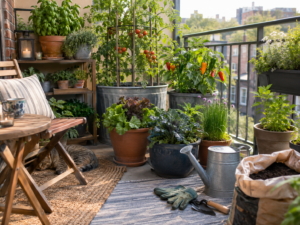 one family can eat. Somebody owns a tiller, somebody else knows how to compost, and somebody’s grandmother knows exactly how to can vegetables without killing everybody. That is not charity, baby. That is community infrastructure, and we have become so isolated that we forget how much easier survival becomes when people stop trying to do everything alone.
Black people especially should understand this because none of it is new to us. Growing food, preserving it, sharing harvests, feeding neighbors, and practicing cooperative economics were not cute little lifestyle trends invented for Instagram. Those practices helped Black families survive segregation, economic exclusion, food shortages, and systems deliberately designed to keep us dependent. Fannie Lou Hamer understood that when she founded the Freedom Farm Cooperative in 1969 because she understood that food and freedom are connected.
That connection still matters. If losing a paycheck, getting on the wrong side of a landlord, losing transportation, or getting cut off from assistance means your family cannot eat, then your freedom has conditions attached to it. Growing food together will not erase every vulnerability, but it creates another layer of protection. It gives people another source of knowledge, another resource, and another relationship they can depend on when something goes wrong.
None of this means gardening is magic. I have been gardening for over five years, and let me tell you, home gardening comes with its own problems too. Homegrown food can still become contaminated. Soil can be bad, water can be unsafe, and home canning can make somebody seriously sick if you do not know what you are doing. We still need food-safety education, inspections, strong regulations, transparent reporting, and consequences for companies that cut corners. People should not have to grow their own food because corporations cannot keep pathogens out of processing facilities but… here we are.
 Both things can be true at the same time. We can demand safer food from corporations while growing tomatoes in the backyard. We can support federal inspections and still know who in the neighborhood grows collards. We can shop at Kroger and still know how to start a seed. We can expect companies to do their damn jobs without making them the only thing standing between our families and hunger.
Starting does not have to mean transforming your whole backyard into a farm by next Saturday. Pick one or two foods your household already eats and figure out whether they grow well where you live. Start with a pot, a raised bed, or one little patch of dirt and learn from there. Find somebody around you who already knows what they are doing before everybody runs out buying the same seeds, tools, and supplies. The point is not to become completely self-sufficient overnight. The point is to rebuild some of the knowledge and relationships we let convenience replace.
The grocery store does not need to disappear, and most of us could not completely abandon it if we wanted to. It should remain one part of how we obtain food, but it should not be our only plan. We do not all need to grow everything. We need to grow something, learn something, and know somebody.