Updated 12/25/25
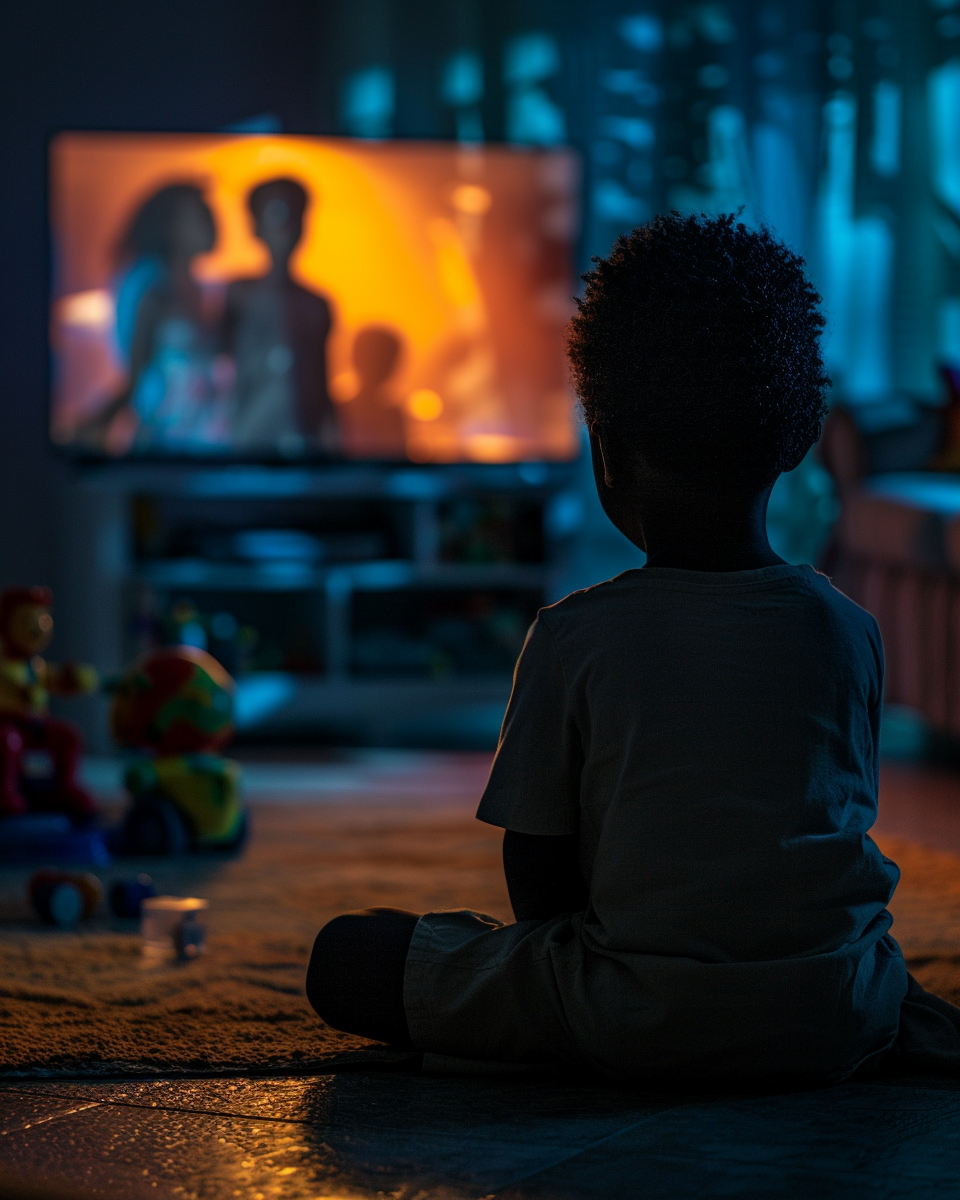
What is up with all the “bitch this” and “that is my hoe too”? I do not know what is worse, women being referred to in that manner or women accepting a derogatory reference like it is respect. “Bad bitch.” The cost for self-respect is not that high these days, apparently. Women are either allowing their power to be stripped away or handing it over willingly. For what, exactly? It is overdue for us to examine our behavior and our way of thinking, because children are watching, and they soak up everything.
Outside of super producers who can still build a melody that moves your spirit, why do we keep patronizing music that is non-creative, oppressive, derogatory, and violent? How did we get to a place where people black out entire verses and only show up for a redundant hook and a strong baseline? I miss the days when lyrics reigned supreme. I remember when buying CDs and reading the lyric book felt like an event. There was anticipation. People waited to hear what their favorite artists were saying. Listening is not even required anymore. So why do we have music? Is it even fair to call it that?

Compare what we were fed in one era versus what we are being fed now.
“And since we all came from a woman
Got our name from a woman and our game from a woman
I wonder why we take from our women
Why we rape our women, do we hate our women?
I think it’s time to kill for our women
Time to heal our women, be real to our women
And if we don’t we’ll have a race of babies
That will hate the ladies, that make the babies”–Tupac 1993
“Keep ya head up”
“I’m bout that water foset pussy, I swear that fuckin wet
I’m standing over the kitchen foset whippin up the bricks
With these niggas keep on beatin the door, they don’t wanna spend a check
The jacket tried to steal my lawn mower, he go wet”–Gucci Mane 2013
“Hood Bitches”
In the 80s and 90s, hip hop had a fair balance. Today, not so much. I am not going to sit here and pretend Tupac never called a woman a bitch or never screamed “fuck the world,” because he did. What I loved and respected about him is that he taught with his music. He showed us what could be done with hip hop when the artist actually cared about impact. In songs like Brenda’s Got a Baby, Changes, and Dear Mama, he painted lyrical pictures of what life looked like in some of our hoods. People respected him for keeping it real. Yes, he was Thug Life, but he was real life too.
If you play the game correctly, you can come out wealthy. That is not a secret. Getting money is something to be proud of, I get that. The problem is what we started worshipping once the money came. Greed and the cutthroat nature of business have become the main personality of the music industry, and that is tragic. Somewhere along the way, pride turned into stupidity. I must have been in the bathroom when that memo went out.
Artists have taken money for inspired pictures forever, but today it is something else. A lot of these artists are advertising themselves as free licks waiting to be had. Treating money like toilet tissue is tacky and insulting. I cannot help but wonder what someone gets out of performing waste like that. How does it feel to throw money away for an image while families right here in the United States are struggling to make groceries last a week? Where is the sense in it? It is embarrassing to show you came up, got paid, and still do not understand the value of a dollar.
That is why I have always appreciated artists like Master P. People can laugh at the music if they want, but when he entered the game, he showed artists what it looked like to be financially savvy and business-minded. He showed a real-life example of putting your money to work for you, not the other way around. That was gangster. Not making it rain on bitches.
Cash is not trash. Acting like it is does not make you powerful. It makes you look dumb.
What bothers me even more is how many rappers rhyme about getting money by any means necessary, and the list always includes the worst of humanity. Rob. Rape. Steal. Kill. Then you dig into a lot of these artists’ real-life stories and in many cases, there is not one ounce of Tony Montana or Frank White in their history, yet they will scream murder and dope all over a mixtape like it is a personality trait. Why are you flexing? Let us be real. I seriously doubt Rick Ross was living a gangster life as a corrections officer before the deal.
Another thing that has to go is the endorsement of these unknown street drugs if it is a marketing plan.
Hip hop has referenced drugs for decades; that is not new. Plenty of artists have made songs about a drug. White Horse. Life in the Fast Lane. Cocaine. The 70s had whole eras of experimentation. The difference now is how casual and constant it is, and how it is presented like a brand partnership. We are watching a new epidemic get promoted in real time. Nearly every rapper references Molly or lean. Molly especially. The way it gets dropped into bars is not even artistic half the time. It is placement. Everyone from T.I. to 2 Chainz has referenced it. Lil Wayne endorses everything and allegedly almost killed himself as a result. Lean is right behind Molly in popularity and in lyrics.
So here is my question. Who is paying rappers to endorse drugs that have been known to kill and maim people for life? Because when artists treat it like a trend, listeners become test dummies. People chase what they hear in songs. They want to experience what their favorite rapper made sound normal. Hip hop has always influenced culture, but now the influence is being used to normalize poison.
Things will grow and change. That is life. I am not asking for time to freeze. My argument is that we went from a positive progression to a devastating low, and it happened fast enough that people started acting like it was normal.
If you are packaged correctly, record executives and A and Rs will create you some talent, pull you on a string, and make millions. It is a puppet system. I remember when hip hop was saving lives and helping us survive. My adolescent years were tough. Sometimes it feels like Common and Tupac saved my life on multiple occasions. My household was crazy. I needed music that spoke to me, not music that reduced me.
Ultimately, it is on us, the patrons, to demand better. Stop buying the bullshit. Stop feeding the machine that disrespects the very communities it profits from. Support real artistry again. I refuse to believe everybody is truly happy with the current state of hip hop. The music is so bad that listening to local radio is not even worth it unless you prefer hearing the same songs back to back within an hour.
Where is the quality? Why do worthy artists like Killer Mike, Lupe Fiasco, and Talib Kweli get barely any airplay? The record industry is twisted; we can agree on that all day. Still, accountability starts at the consumer level too. Our words matter. Our choices matter. Our kids are watching and soaking up everything.
People love to say it is not our problem, or they want to ask where the parents are. That argument is lazy. One day we will surpass our prime, and the younger generation will run everything. If they inherit a world where degradation is normal, violence is cool, drugs are trendy, and women are disposable, what kind of future do you think we are building?
Accountability is not a hashtag. It is a decision.
Click here to read Hip Hop Accountability 1
One thought on "Hip Hop Accountability 2"